
War in Ukraine threatens food security both within and outside the region
Russia's invasion of Ukraine once again shows the devastating impact that violent conflict has on civilians, food systems and security in the wider region. The humanitarian needs of civilians trapped in warzones, internally displaced, as well as the million plus that have already fled Ukraine are critical. Alongside trauma and primary care, the humanitarian impact including access to food is a major concern and will become even more critical as the war continues.
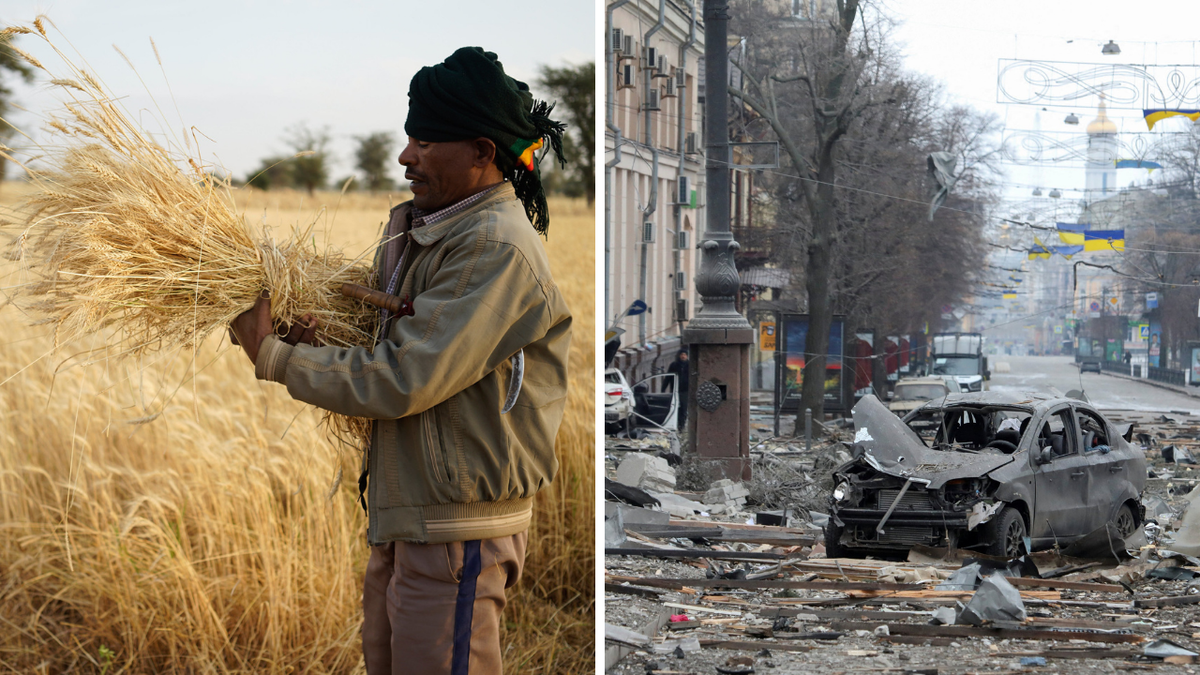
In 2018 the Netherlands spearheaded the adoption of UN Security Council resolution 2417 on conflict induced food insecurity. The resolution condemns starvation of civilians as a method of warfare, as well as the unlawful denial of humanitarian access to civilian populations. It also urges all parties to protect civilian infrastructure, which is critical to the delivery of humanitarian aid, to ensure the proper functioning of food systems and markets in situations of armed conflict. NFP calls on international parties to honour this resolution.
The war reminds us how our societies and food systems are interconnected as the world already starts to feel the impact of this war on wheat supplies. Rising wheat prices are expected to impact Lower Middle Income Countries substantially more, especially in the Middle East where countries such as Egypt and conflict-affected Yemen are highly dependent on imports. Food insecurity and political instability during the Arab Spring in 2011 saw how rising food prices pushed many countries in the MENA region into conflict and instability.
This topic was the focus of the 2017 UN SOFI report on peace and food security that drew attention to the fact that the world will not reach SDG2 if it does not achieve peace simultaneously. The two goals are interlinked. NFP and partners have worked on this topic through our Communities of Practice on food security and stability for a number of years and will continue to work with partners to help build resilience in food systems for peace and food security.
The Netherlands constitution (article 90) obliges the Netherlands government to promote the development of the international legal order. This international legal order includes promoting human rights, including economic, social and cultural rights (ESCR), and therefore also the right to food.
The war in Ukraine threatens to push millions outside this region into further food insecurity, including those in the region who are directly facing the devastating impact of the war itself. Governments and other agencies need to work harder than ever and together, to strengthen the food sufficiency and resilience of the worlds poorest countries, and mitigate the global impact of this crisis.